
30 Mar Environmental Chemistry: Air Quality and Pollution in Modern Cities
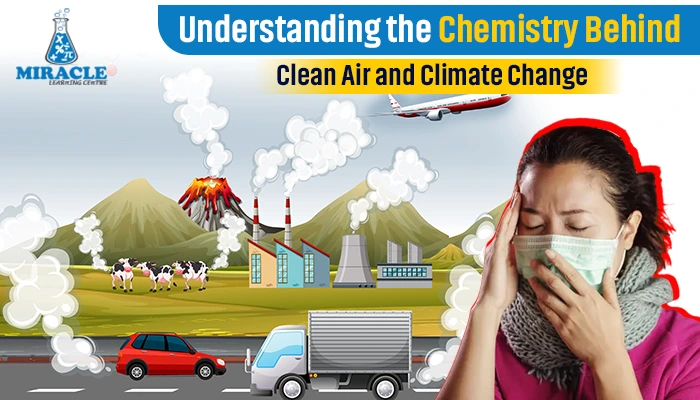
In today’s fast-developing world, Environmental Chemistry plays a crucial role in understanding how human activities impact the air we breathe. For students in Singapore, this topic is not only important for exams but also for real-life awareness—especially with issues like haze and urban pollution affecting daily life.
At our Tuition Centre in Singapore, we help students connect scientific concepts with real-world examples, making Chemistry Tuition and Science Tuition more engaging and meaningful.
What is Environmental Chemistry?
Environmental Chemistry is the study of chemical processes occurring in the environment—air, water, and soil. It focuses on:
- Sources of pollution
- Chemical reactions in the atmosphere
- Impact on human health and ecosystems
- Solutions to environmental problems
For students, this topic is commonly tested in Secondary Science and JC Chemistry, especially under themes like air pollution, atmospheric chemistry, and sustainability.
Understanding Air Quality in Singapore
Singapore is known for having relatively good air quality compared to many global cities. However, pollution still exists and must be monitored carefully.
Key Air Quality Indicators
Singapore uses the Pollutant Standards Index (PSI) to measure air quality. It is based on six pollutants:
- PM2.5 (fine particulate matter)
- PM10
- Carbon monoxide (CO)
- Ozone (O₃)
- Nitrogen dioxide (NO₂)
- Sulphur dioxide (SO₂)
PSI Levels:
- 0–50: Good
- 51–100: Moderate
- 101–200: Unhealthy
Recent updates show that Singapore’s PSI levels in 2026 have mostly remained in the “Good” to “Moderate” range, meaning air quality is generally safe for daily activities .
Major Air Pollutants in Modern Cities
1. Particulate Matter (PM2.5 & PM10)
- Tiny particles that can enter lungs
- Comes from vehicles, construction, and industry
- Example: PM2.5 levels in Singapore average around 19 µg/m³ in some years, above WHO recommendations
2. Nitrogen Dioxide (NO₂)
- Produced by car engines and power plants
- Contributes to smog formation
3. Ozone (O₃)
- Formed by chemical reactions in sunlight
- Harmful at ground level
4. Carbon Monoxide (CO)
- Produced by incomplete combustion
- Reduces oxygen delivery in the body
Causes of Air Pollution in Singapore
1. Traffic Emissions
Singapore is highly urbanised, and vehicles are a major source of pollutants like NO₂ and CO.
2. Industrial Activities
Factories release gases and particulate matter into the atmosphere.
3. Transboundary Haze (VERY IMPORTANT EXAM TOPIC)
One of the most significant real-world examples for students:
- Caused by forest fires in Indonesia
- Smoke travels across borders due to wind
- Major haze events occurred in 2015 and 2019
- Even in 2026, Singapore is monitoring possible haze due to regional fires
This is a classic example of:
- Environmental Chemistry
- International environmental issues
- Atmospheric transport of pollutants
How Environmental Chemistry Explains Air Pollution
Students should understand the chemical reactions behind pollution:
Example 1: Formation of Acid Rain
SO₂ + H₂O → H₂SO₄ (sulfuric acid)
Example 2: Ozone Formation
NO₂ + sunlight → NO + O
O + O₂ → O₃
These reactions are often tested in JC Chemistry exams.
Effects of Air Pollution
On Human Health
- Respiratory diseases
- Eye irritation
- Increased hospital admissions during haze periods
On Environment
- Damage to plants
- Reduced visibility
- Climate change effects
What is Singapore Doing to Control Pollution?
Singapore is one of the leading countries in environmental management.
Government Actions:
- Strict vehicle emission standards (Euro VI)
- Real-time air quality monitoring by NEA
- Promotion of clean fuels
- Anti-haze policies and regional cooperation
Targets:
- PM2.5 annual target: 12 µg/m³
Why Students Must Learn This Topic
For students, Environmental Chemistry is not just theory—it appears in:
- PSLE Science (basic concepts)
- Secondary Chemistry (pollution & atmosphere)
- JC Chemistry (reaction mechanisms & applications)
Common exam questions:
- Explain causes of haze
- Describe effects of PM2.5
- Write chemical equations for pollution reactions
Real-Life Example for Students
Imagine this scenario:
A student in Singapore checks the PSI and sees it is 120 (Unhealthy).
What should they do?
- Reduce outdoor activities
- Wear a mask (N95 during haze)
- Understand the chemistry behind the situation
This is how Science Tuition connects classroom knowledge to real life.
Why Choose a Tuition Centre in Singapore for Chemistry?
Learning Environmental Chemistry can be challenging because it combines:
- Theory
- Data interpretation
- Real-world application
At a professional Tuition Centre, students receive:
- Clear explanations of complex concepts
- Real Singapore case studies (like haze)
- Exam-focused practice questions
- Guidance from experienced tutors
Boost Your Understanding with Expert Guidance
At our Tuition Centre in Singapore, we specialise in:
- Chemistry Tuition for Secondary & JC
- Science Tuition for Primary students
- Small group learning for better focus
- Real-life examples to make learning easier
We help students not just memorise—but truly understand Environmental Chemistry.
Conclusion
Air pollution is one of the biggest challenges in modern cities, and Singapore provides an excellent case study for students learning Environmental Chemistry.
By understanding:
- Pollutants
- Chemical reactions
- Real-world impacts
Students can excel in exams and become environmentally aware individuals.